The Ultimate Guide to Trading in 2026: Strategies, Tips & Market Trends.
Trading has evolved into one of the most popular ways to participate in the financial markets. Whether you're interested in stocks, indices, commodities, forex, or crypto, understanding the right strategies and risk management techniques is essential for long-term success.
In this guide, we’ll cover what trading is, the different types of trading, current market trends in 2026, and practical tips to help beginners become confident traders.
What Is Trading?
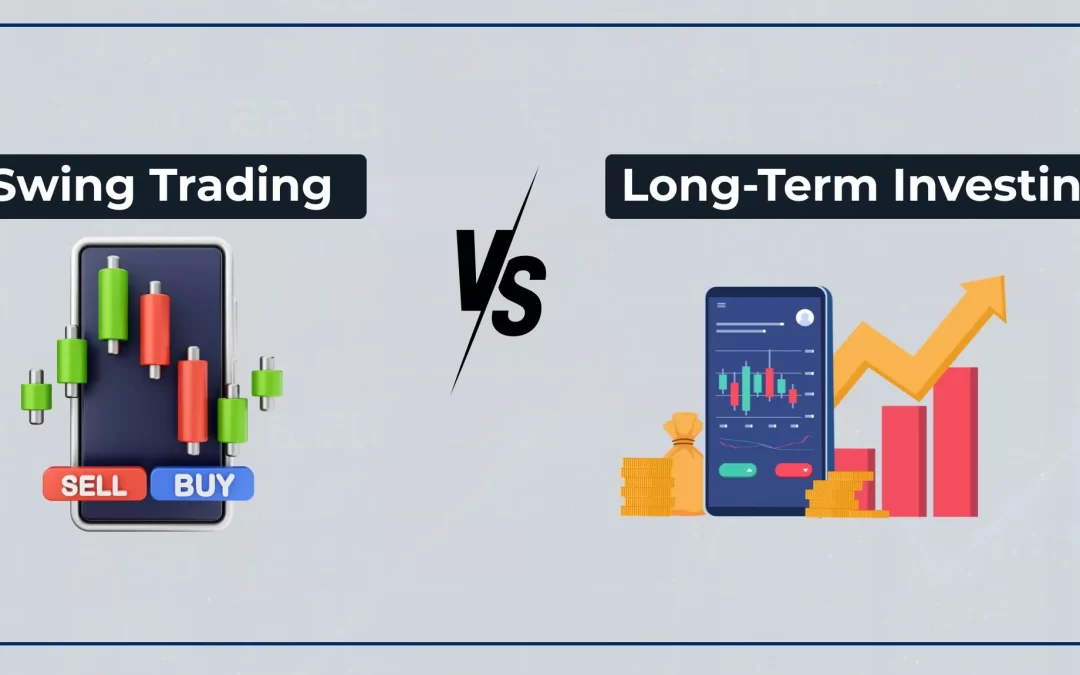
Trading involves buying and selling financial instruments within a short or medium time frame to profit from price movements. Unlike long-term investing, trading focuses on capturing short-term volatility.
Key Difference:
Investing: Long-term wealth creation (years)
Trading: Short-term price movements (minutes, days, or weeks)
Types of Trading
1. Intraday Trading
Positions are opened and closed within the same day.
High volatility
Requires quick decision-making
Suitable for experienced traders
2. Swing Trading
Positions are held for several days or weeks.
Lower stress compared to intraday
Ideal for beginners
Based on technical patterns and trends
3. Options Trading
Trading call and put contracts instead of actual stocks.
High leverage
Higher risk and reward
Requires solid understanding of volatility and time decay
2026 Market Trends Traders Should Watch
Market movements in 2026 are heavily influenced by global economic events, interest rate decisions, and geopolitical developments.
Major indices like the S&P 500, Sensex, and Nifty 50 are reacting strongly to:
Central bank interest rate changes
Inflation data releases
Crude oil price fluctuations
Technology and AI sector growth
Can Trading Generate Consistent Income?
Yes — but only with:
Discipline
A tested strategy
Emotional control
Continuous learning
Statistics show that most beginners lose money because they trade without a structured plan.
Final Thoughts
Trading in 2026 offers significant opportunities, but it is not a shortcut to instant wealth. With proper education, risk management, and consistency, trading can become a powerful income-generating skill.
Start small, focus on learning, and prioritize capital preservation. Profits will follow discipline.
When U.S. markets decline, global markets often follow due to interconnected capital flows.
5 Essential Trading Tips for Beginners
1. Master Risk Management
Never risk more than 1–3% of your capital on a single trade. Protecting capital is more important than chasing profits.
2. Always Use Stop Loss
A stop loss prevents emotional decision-making and limits downside risk.
3. Follow Market News
Stay updated with economic calendars, earnings reports, and macroeconomic announcements.
4. Learn Technical Analysis
Understand support & resistance, trendlines, moving averages, RSI, and price action.
5. Practice Before Going Live
Use demo accounts to test strategies before investing real money.
"A data-driven trading specialist who excels in AI-powered market analysis,
algorithmic strategies, and financial visualization. With a sharp analytical
mindset and a passion for decoding market trends, they transform complex
financial data into actionable insights through cutting-edge AI tools and
quantitative modeling. Their expertise spans algorithmic trading, technical
analysis, and real-time risk assessment—turning raw market signals into
profitable opportunities."