Day Trading vs Swing Trading: Which Strategy Is Right for You?.
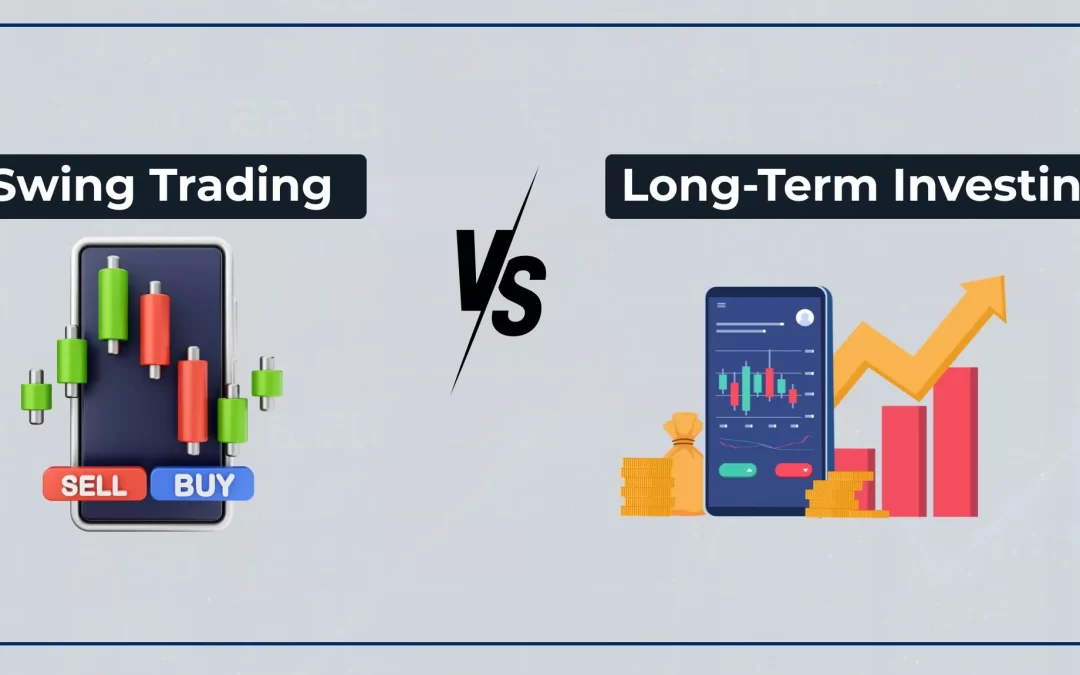
In the world of financial markets, traders use different strategies to profit from price movements. Two of the most popular trading styles are day trading and swing trading. While both approaches aim to capitalize on short-term market fluctuations, they differ significantly in terms of time commitment, risk level, and trading techniques.
Day trading involves buying and selling financial instruments within the same trading day. Day traders typically close all their positions before the market closes to avoid overnight risk. This strategy requires constant monitoring of the markets, quick decision-making, and the ability to react rapidly to price changes. Because of its fast-paced nature, day trading is often favored by traders who can dedicate several hours each day to analyzing charts and executing trades.
Swing trading, on the other hand, focuses on capturing price movements over several days or even weeks. Instead of reacting to every small price fluctuation, swing traders look for larger trends and hold their positions longer. This approach is often more suitable for individuals who cannot spend the entire day watching the market.
One of the main advantages of day trading is the potential for quick profits. Since traders take advantage of small price movements multiple times a day, they can generate consistent returns if their strategy is effective. However, day trading also comes with higher transaction costs and requires significant concentration and discipline.
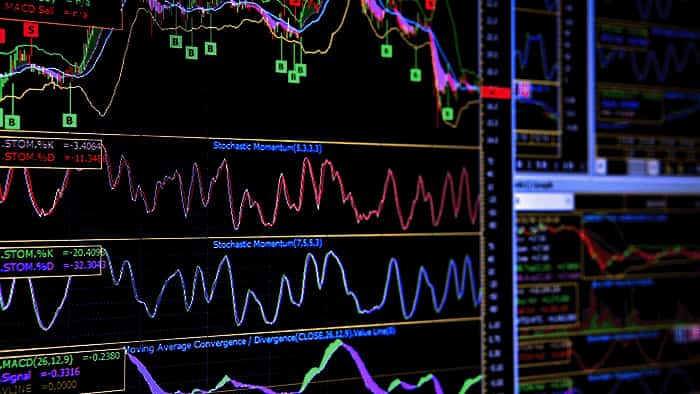
Swing trading offers a more relaxed approach to trading. Traders analyze market trends, technical indicators, and support and resistance levels to identify potential entry points. Because trades last longer, swing traders can avoid the stress of constantly monitoring the market.
Risk management is crucial in both strategies. Day traders often use tight stop-loss levels to limit losses, while swing traders may allow more price movement before exiting a trade. Both styles require careful planning, proper position sizing, and emotional discipline.
Ultimately, choosing between day trading and swing trading depends on an individual’s personality, schedule, and risk tolerance. Traders should experiment with both approaches, study their results, and choose the strategy that aligns best with their lifestyle and trading goals.
"A data-driven trading specialist who excels in AI-powered market analysis,
algorithmic strategies, and financial visualization. With a sharp analytical
mindset and a passion for decoding market trends, they transform complex
financial data into actionable insights through cutting-edge AI tools and
quantitative modeling. Their expertise spans algorithmic trading, technical
analysis, and real-time risk assessment—turning raw market signals into
profitable opportunities."