The Beginner’s Guide to Stock Trading: How to Start and Avoid Common Mistakes.
Stock trading has become increasingly popular in recent years as more people look for ways to grow their wealth and achieve financial independence. However, for beginners, entering the world of trading can be overwhelming due to the vast amount of information, strategies, and risks involved. Understanding the basics of stock trading is the first step toward building a successful trading journey.
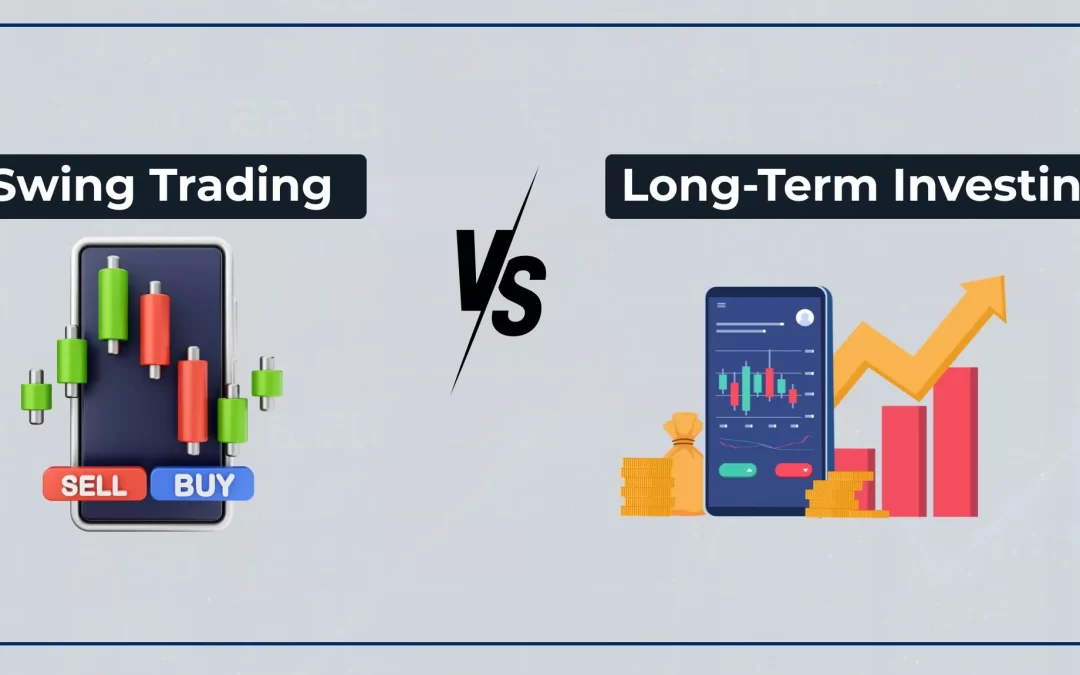
Stock trading involves buying and selling shares of companies listed on a stock exchange with the goal of making a profit. Traders attempt to benefit from short-term price movements by analyzing market trends, news, and company performance. Unlike long-term investors who hold stocks for years, traders often hold positions for minutes, hours, or days depending on their strategy.
One of the most important aspects of trading is learning how the market works. Beginners should start by understanding fundamental concepts such as market orders, limit orders, bid-ask spreads, and trading volume. These elements influence how trades are executed and can affect profits and losses.
Another key component of trading is risk management. Many new traders lose money because they risk too much capital on a single trade or fail to use stop-loss orders. Successful traders focus on protecting their capital first before aiming for profits. This means setting clear entry and exit points and sticking to a disciplined trading plan.
Technical analysis is also widely used by traders to make decisions. By studying price charts, patterns, and indicators such as moving averages, RSI, and MACD, traders attempt to predict potential price movements. While technical analysis does not guarantee profits, it helps traders make more informed decisions based on historical price behavior.
Emotional control is another critical factor in trading success. Fear and greed often cause traders to make impulsive decisions, leading to losses. Developing patience, discipline, and a consistent strategy can help traders avoid emotional mistakes.
In conclusion, stock trading can be a powerful way to build wealth if approached with proper knowledge and preparation. Beginners should focus on education, start with small amounts of capital, practice with demo accounts, and continuously improve their strategies. With time, patience, and disciplined risk management, traders can gradually develop the skills needed to succeed in the financial markets.
"A data-driven trading specialist who excels in AI-powered market analysis,
algorithmic strategies, and financial visualization. With a sharp analytical
mindset and a passion for decoding market trends, they transform complex
financial data into actionable insights through cutting-edge AI tools and
quantitative modeling. Their expertise spans algorithmic trading, technical
analysis, and real-time risk assessment—turning raw market signals into
profitable opportunities."